
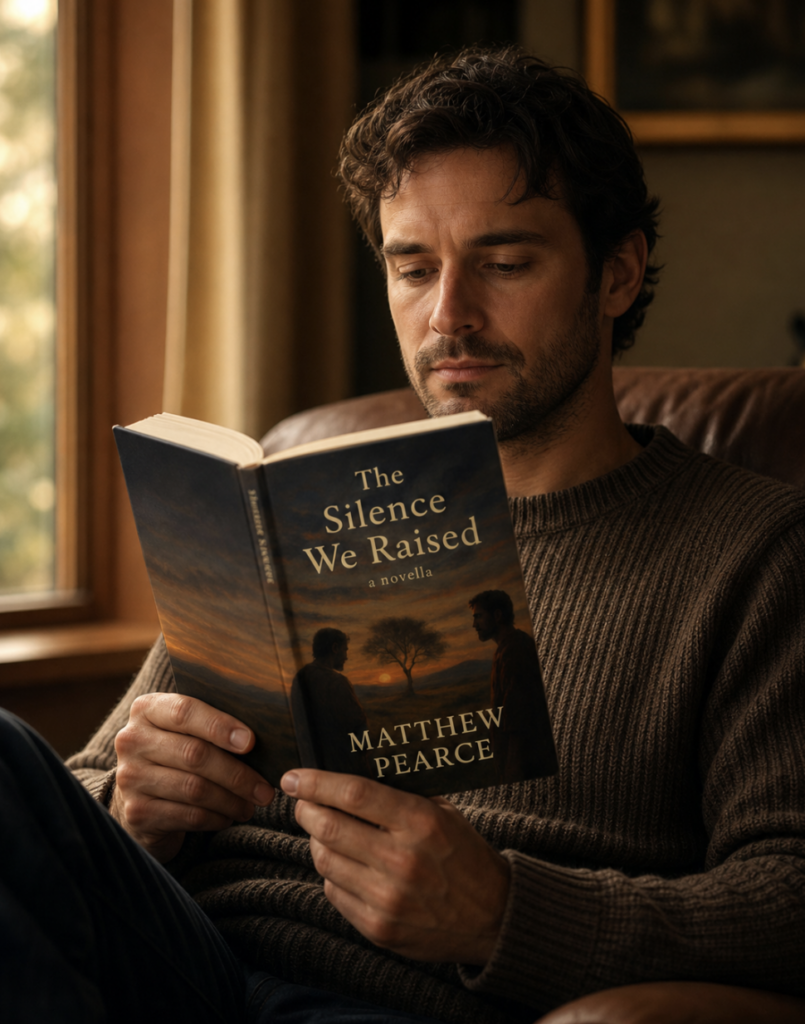
Christian fiction readers often look for more than entertainment. They want a story that carries emotional weight, moral depth, spiritual tension, and characters who feel real enough to linger after the final page. That is why The Silence We Raised deserves attention from readers who love biblical storytelling, emotionally rich fiction, and books that wrestle with faith, failure, family, grief, and consequence. For readers searching for historical fiction christian authors who bring the ancient world to life with purpose and heart, this story offers a powerful reason to look closer.
The Silence We Raised is not simply a retelling. It is a story that reaches into one of the oldest wounds in Scripture and asks what silence, jealousy, exile, and sorrow might have sounded like inside a family still standing near the shadow of Eden. Historical fiction has always invited readers to step into another time and feel the past through human experience. According to Wikipedia’s overview of historical fiction, the genre places fictional characters and events within a historical setting, giving readers a way to encounter another era through story. Biblical historical fiction adds another layer by connecting imagination with faith, Scripture, and the emotional spaces between familiar verses.
Why Biblical Historical Fiction Still Matters
Readers are drawn to historical fiction because it gives the past a heartbeat. Dates, places, and ancient events become personal when they are shown through fear, hope, hunger, grief, love, and loss. For Christian readers, that experience can be even more meaningful because biblical history is not just background. It carries spiritual significance. It is tied to belief, identity, worship, and the long story of humanity’s need for God.
This is one reason historical fiction christian authors have such a unique role in today’s publishing world. They are not only writing stories set in another time. They are helping readers slow down and imagine what it may have felt like to live through moments that shaped human history and spiritual understanding. When done well, Christian historical fiction does not replace Scripture. It invites readers to return to Scripture with fresh attention.
The Historical Novel Society’s guide to Christian historical fiction points to the way faith can operate as an underlying theme within historical storytelling rather than feeling forced or heavy-handed. That balance matters. Readers want a story that respects their faith without turning every page into a sermon. The Silence We Raised fits that kind of reading experience because it appears to focus on the human ache beneath a biblical event, allowing readers to feel the cost of sin, silence, and separation through story.
A Story Rooted in One of Scripture’s First Family Tragedies
The story of Cain and Abel is brief in Scripture, yet it is filled with emotional force. Within only a few verses, readers encounter worship, jealousy, anger, warning, violence, death, judgment, and exile. That kind of narrative leaves room for reflection. What did the family feel before the murder? What did silence grow into? What did grief do to Adam and Eve after they had already lost Eden? What does it mean to live with consequences that cannot be undone?
That is where The Silence We Raised becomes compelling for readers who appreciate historical fiction christian authors. The book gives room to the emotional reality surrounding the first murder. It explores not only what happened, but what may have been carried in the hearts of those who survived it. Biblical fiction can be powerful when it helps readers feel the human weight behind a familiar passage, and this story seems built around that very purpose.
The account of Cain and Abel continues to speak because it is about more than two brothers. It is about the danger of resentment, the voice of warning, the spread of sin, and the grief that follows choices made in anger. A Christian historical fiction novel centered on this story can help readers sit with those themes in a deeper way, not by changing the biblical account, but by giving emotional shape to the spaces around it.
Why Readers Are Looking for Faith-Based Historical Fiction
Christian fiction continues to evolve, and readers are showing interest in stories that are thoughtful, layered, and emotionally honest. A 2026 Publishers Weekly article on Christian novelists and dual timelines highlights how Christian fiction writers are using time, memory, and historical settings in fresh ways. That matters because today’s readers often want stories that feel both meaningful and beautifully crafted.
This is where historical fiction christian authors can connect with a wide audience. Some readers come for the biblical setting. Others come for the emotional journey. Some want clean fiction with spiritual meaning. Others want a story that helps them think about family, legacy, sin, mercy, and the choices that shape generations. The Silence We Raised has the kind of subject matter that can speak to all of those readers.
Another Publishers Weekly report on Christian novelists reaching readers of all faiths or none shows that faith-influenced fiction can appeal beyond one narrow audience when the story is strong, the characters are human, and the themes are universal. The story of Cain and Abel certainly carries universal themes. Jealousy, comparison, guilt, broken family trust, grief, and exile are not ancient problems only. They are human problems.
The Emotional Power of Silence
The title The Silence We Raised immediately suggests something deeper than a simple plot retelling. Silence can be inherited. It can be taught. It can be protected. It can grow in a home until everyone feels its weight. That idea gives the book emotional strength because silence is often where family wounds deepen. It is where anger hides, where sorrow goes unnamed, and where truth waits too long to be spoken.
For readers who follow historical fiction christian authors, that emotional layer is important. A biblical setting may draw someone in, but the emotional truth keeps them reading. People want to understand the hearts of the characters. They want to know what grief did to a mother, what shame did to a father, what jealousy did to a son, and what silence did to a family already marked by loss.
The best Christian historical fiction often helps readers reflect on their own lives through the lives of people from another time. A story about Cain and Abel is not only about the first family after Eden. It can also become a mirror for modern readers who have seen what happens when pain is ignored, when resentment is fed, or when warnings are dismissed. In that sense, The Silence We Raised offers the kind of story that can feel ancient and immediate at the same time.
A Meaningful Addition to Christian Fiction Shelves
Many Christian readers know the names of beloved writers who have helped shape the genre. The Library of Congress list of Christy Award winners shows how long Christian fiction has been recognized for storytelling across many styles, eras, and themes. Awards, reading lists, and genre guides help readers discover authors who bring faith and fiction together with excellence.
That is why books like The Silence We Raised deserve attention. Readers who already enjoy historical fiction christian authors may be looking for something that feels different from traditional frontier, wartime, or Regency-inspired Christian fiction. Biblical historical fiction offers another doorway. It moves the reader into the ancient world, closer to the earliest stories of humanity, where every choice feels foundational and every consequence echoes.
The National Association of Evangelicals explains that evangelical faith is deeply connected to the gospel, Scripture, and the person of Jesus Christ in its overview of what it means to be evangelical. While Christian fiction can take many forms, readers who value biblical truth often appreciate stories that take spiritual questions seriously. The Silence We Raised appears to do that by leaning into one of Scripture’s most sobering family stories and treating it with emotional gravity.
Why This Book Can Reach Readers Beyond One Genre
A strong novel does not only satisfy one type of reader. It gives different readers different reasons to care. Someone interested in biblical fiction may be drawn to the Cain and Abel connection. Someone who enjoys family drama may be drawn to the grief and silence within the household. Someone who reads literary Christian fiction may be drawn to the emotional and spiritual themes. Someone who studies storytelling may be drawn to the challenge of expanding a brief biblical account into a full emotional narrative.
That range is part of why historical fiction christian authors remain important. They can build bridges between history, imagination, theology, and emotional truth. They can write stories that entertain while also encouraging reflection. They can help readers see familiar biblical moments through a renewed lens without taking away the authority of Scripture itself.
The Silence We Raised also offers a timely reminder that old stories still have something to say. In a culture filled with noise, speed, distraction, and shallow outrage, a story about silence, jealousy, grief, and consequence can feel deeply relevant. Readers do not need to live in the ancient world to understand what it means for a family to carry pain. They do not need to stand outside Eden to understand regret. They do not need to witness Cain and Abel firsthand to understand how dangerous unchecked anger can become.
Why Christian Historical Fiction Readers Should Discover It Now
Readers who love historical fiction christian authors often want books that leave them thinking after the story ends. They want characters who feel layered, themes that feel worthwhile, and a setting that opens the imagination. The Silence We Raised has the foundation for all of that because it begins with one of the most haunting stories in human history and appears to explore it through grief, family, and spiritual consequence.
This is the kind of book that can speak to Christian readers who want more than surface-level inspiration. It can speak to readers who appreciate biblical imagination handled with seriousness. It can speak to those who want stories that do not rush past sorrow but allow it to mean something. For anyone building a reading list of historical fiction christian authors, this book deserves a place in the conversation.
Conclusion
The Silence We Raised gives Christian historical fiction readers a reason to pause, reflect, and step into the emotional world surrounding one of Scripture’s earliest tragedies. It is rooted in biblical memory, shaped by family grief, and centered on themes that still matter today: silence, jealousy, consequence, exile, and the ache of what cannot be undone. For readers searching for historical fiction christian authors who bring depth, faith, and emotional honesty to the page, this is a story worth discovering.